
"infant caffeine sensitivity"
23000 article(s) found

An authoritative report on caffeine in the Encyclopedia of Fine Coffee
After consuming a large amount of caffeine for two years, my face did not change my face and my heart did not beat. On the contrary, I was physically and mentally refreshed, and my stomach tasted delicious even if I had good teeth. Even if I drank coffee at night, I still enjoyed baby-like sleep. At least 3 cups of coffee a day had a record of more than 10 cups, but there were no spots and precipitates. On the contrary, continuous computer homework still did not grow acne caffeine. Why did the guy who made people talk about it?

The authority on caffeine reports that caffeine is healthy.
After consuming a large amount of caffeine for two years, my face did not change my face and my heart did not beat. On the contrary, I was physically and mentally refreshed, and my stomach tasted delicious even if I had good teeth. Even if I drank coffee at night, I still enjoyed baby-like sleep. At least 3 cups of coffee a day had a record of more than 10 cups, but there were no spots and precipitates. On the contrary, continuous computer homework still did not grow acne caffeine. Why did the guy who made people talk about it?
Coffee study caffeine intake during breastfeeding may harm babies
Babies do not metabolize or excrete caffeine very well, so caffeine intake by mothers during breastfeeding may lead to caffeine accumulation and symptoms such as wakefulness and irritability. The chemical structure of caffeine, pictured by Wikipedia sources. According to the Journal of Caffeine Research published in peer-reviewed

Coffee healthy breastfeeding mothers had better limit their caffeine intake
Babies do not metabolize or excrete caffeine very well, so caffeine intake by mothers during breastfeeding may lead to caffeine accumulation and symptoms such as wakefulness and irritability, according to a study published in the peer-reviewed journal Journal of Caffeine Research. Caffeine exists in various species.

Breast-feeding mothers had better limit their caffeine intake
Babies do not metabolize or excrete caffeine very well, so caffeine intake by mothers during breastfeeding may lead to caffeine accumulation and symptoms such as wakefulness and irritability, according to a study published in the peer-reviewed journal Journal of Caffeine Research. Caffeine exists in various species.

For breastfeeding mothers, it is best to limit caffeine intake
Babies do not metabolize or excrete caffeine very well, so caffeine intake by mothers during breastfeeding may lead to caffeine accumulation and symptoms such as wakefulness and irritability, according to a study published in the peer-reviewed journal Journal of Caffeine Research. Caffeine exists in various species.
A brief introduction to caffeine, the active ingredient in coffee beans
Caffeine (Caffeine) is an alkaloid extracted from tea and coffee fruit. Moderate use of caffeine can dispel fatigue and excitatory nerves. Caffeine is used in clinical treatment of neurasthenia and coma resuscitation. However, large doses or long-term use will also cause damage to the human body, especially it is also addictive, once discontinued, there will be mental fatigue, fatigue and other withdrawal symptoms
Related Pharmacokinetics of Coffee
The phenomenon of death with caffeine is rare. The lethal dose of caffeine for adults is about 5-10g, and adverse reactions can occur when taking 1g, such as central nervous system and circulatory system symptoms. Early symptoms such as insomnia, restlessness and agitation develop into mild coma, vomiting, spasms, muscle tension and tremor, tachycardia and extrasystole (extrasysto1e). In addition,
Caffeine intake during breastfeeding may harm babies
The chemical structure of caffeine, pictured by Wikipedia sources. According to a study published in the peer-reviewed journal Journal of Caffeine Research, babies do not metabolize or excrete caffeine very well, so caffeine intake by mothers during breastfeeding may lead to caffeine accumulation and disorders such as wakefulness and irri
500 ml of caffeine per day is safe.
When you have a headache, stomachache, dizziness, insomnia, or heart problems, the first thing that probably comes to mind is to stop drinking coffee. Doctors also tell you that caffeine is the cause of these symptoms.
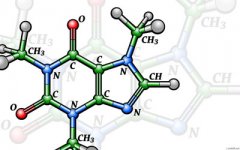
Is caffeine an angel or a devil?
Caffeine (Caffeine) is an alkaloid extracted from tea and coffee fruit. Moderate use of caffeine can dispel fatigue and excitatory nerves. Caffeine is used in clinical treatment of neurasthenia and coma resuscitation. The main source of caffeine in the food industry is coffee beans. Tea, cocoa, cola and Red Bull drinks all contain caffeine. Even women's oral contraceptive contains coffee.

May caffeine intake during breastfeeding harm babies? Mother should not drink coffee during breast-feeding.
The chemical structure of caffeine, pictured by Wikipedia sources. According to a study published in the peer-reviewed journal Journal of Caffeine Research, babies do not metabolize or excrete caffeine very well, so caffeine intake by mothers during breastfeeding may lead to caffeine accumulation and disorders such as wakefulness and irri
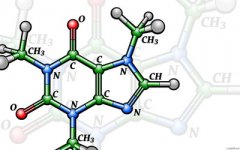
Is caffeine an angel or a devil?
Caffeine (Caffeine) is an alkaloid extracted from tea and coffee fruit. Moderate use of caffeine can dispel fatigue and excitatory nerves. Caffeine is used in clinical treatment of neurasthenia and coma resuscitation. The main source of caffeine in the food industry is coffee beans. Tea, cocoa, cola and Red Bull drinks all contain caffeine. Even women's oral contraceptive contains coffee.
Analysis of the basic knowledge of Coffee caffeine
Caffeine (Caffeine) is an alkaloid extracted from tea and coffee fruit. Moderate use of caffeine can dispel fatigue and excitatory nerves. Caffeine is used in clinical treatment of neurasthenia and coma resuscitation. The main source of caffeine in the food industry is coffee beans. Tea, cocoa, cola and Red Bull drinks all contain caffeine. Even women's oral contraceptive contains coffee.
A brief discussion on the main components of caffeine coffee
Caffeine (Caffeine) is an alkaloid extracted from tea and coffee fruit. Moderate use of caffeine can dispel fatigue and excitatory nerves. Caffeine is used in clinical treatment of neurasthenia and coma resuscitation. The main source of caffeine in the food industry is coffee beans. Tea, cocoa, cola and Red Bull drinks all contain caffeine. Even women's oral contraceptive contains coffee.
Basic knowledge of Fine Coffee A brief discussion on caffeine
Caffeine (Caffeine) is an alkaloid extracted from tea and coffee fruit. Moderate use of caffeine can dispel fatigue and excitatory nerves. Caffeine is used in clinical treatment of neurasthenia and coma resuscitation. The main source of caffeine in the food industry is coffee beans. Tea, cocoa, cola and Red Bull drinks all contain caffeine. Even women's oral contraceptive contains coffee.
Espresso contains less caffeine than regular coffee
A cup of regular brewed coffee contains 115 mg of caffeine, espresso (and coffee brewed in a percolator) contains about 80 mg, and instant coffee contains only 65 mg. Decaffeinated coffee is not complete without caffeine, it is about 3 milligrams. A can of Coca-Cola contains about 45 mg of caffeine, Pepsi 38 mg, Mountain Dew 54 mg, and TAB47 mg. Tea contains about 40%.

Angel or Devil talk about the advantages and disadvantages of caffeine
Caffeine (Caffeine) is an alkaloid extracted from tea and coffee fruit. Moderate use of caffeine can dispel fatigue and excitatory nerves. Caffeine is used in clinical treatment of neurasthenia and coma resuscitation. The main source of caffeine in the food industry is coffee beans. Tea, cocoa, cola and Red Bull drinks all contain caffeine. Even women's oral contraceptive contains coffee.

Espresso coffee contains less caffeine than regular coffee.
A cup of regular brewed coffee contains 115 mg of caffeine, espresso coffee (and percolator brewed coffee) about 80 mg, and instant coffee about 65 mg. Decaffeinated coffee is not completely decaffeinated and is about 3 mg. A can of Coke contains about 45 mg of caffeine, Pepsi 38 mg,Mountain Dew 54 mg, and TAB47 mg. Tea contains about 40